 Accel Safety
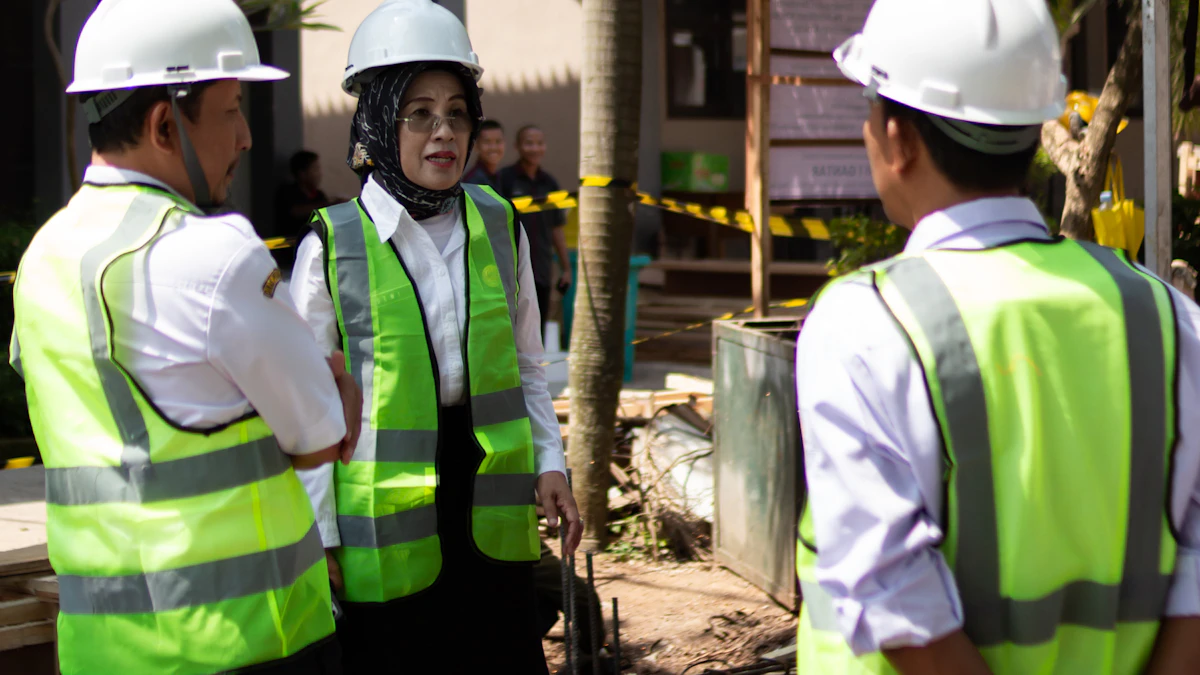
Since the Rana Plaza and Tazreen disasters, workplace safety committees have become one of the main ways Bangladesh's factories involve workers in health and safety. The Department of Inspection for Factories and Establishments (DIFE) describes them as its primary watchdog for occupational health and safety on the factory floor, and by early 2024 committees had been formed in more than 7,300 establishments.
This guide summarizes how a committee should work in practice. It is general information, not legal advice: always check the current Bangladesh Labour Act and Bangladesh Labour Rules, and your buyers' codes of conduct, for the exact requirements that apply to you.
Why safety committees matter
A safety committee brings management and workers together to find hazards, listen to concerns and agree on fixes. Workers see risks that managers miss. A committee that meets regularly and follows up on its decisions catches problems such as blocked exits, overloaded wiring or missing machine guards before they cause harm.
Who must form one
Under Bangladesh labour law, factories with 50 or more workers must form a safety committee. Guidance from the Ethical Trading Initiative notes that the committee should be formed within nine months of a factory starting production.
Members and tenure
- Size: between 6 and 12 members, depending on the size of the workforce.
- Balance: half worker representatives and half management representatives.
- Worker representatives are nominated by the trade union or, where there is none, by the participation committee.
- Management representatives typically include roles such as a manager, HR or welfare officer, a supervisor and the factory nurse.
- Tenure: two years.
- Training: every member should be trained, at the employer's cost.
Meetings and minutes
Committees should meet regularly: monthly is good practice, and at least once a quarter, with extra meetings when something happens. Meetings are held in working hours without loss of pay. The chairperson and member secretary agree the agenda, and the minutes are recorded and signed by both.
What the committee does
- Identifies hazards and recommends controls.
- Listens to and acts on workers' safety concerns.
- Carries out regular workplace inspections.
- Takes part in investigations of accidents and near misses.
- Recommends safety programmes, training and awareness activities.
- Follows up to make sure agreed actions are actually completed.
Records to keep
Inspectors and buyer auditors usually ask to see:
- the current member list, with roles and how each member was nominated;
- training records for each member;
- the meeting schedule and signed minutes;
- inspection reports and the hazards found;
- the action list, showing who owns each action, its deadline and whether it is closed.
The weak point in most factories is the last item. Decisions are minuted, but nobody tracks whether they were done, so the same issues come back meeting after meeting.
Running the committee digitally
A digital system keeps the committee honest. In AccelSafety, the safety committee module holds the member list and training, schedules meetings, records minutes and turns each decision into an action with an owner and a due date. Open actions appear on the factory dashboard and the group view, so nothing is forgotten between meetings, and the full history is ready when an inspector or auditor asks.
See how it works for factories in Bangladesh on our HSE software for Bangladesh page, or book a free demo.